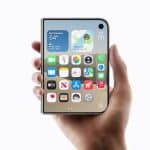
Apple’s new HomeView smart display faces fresh criticism over its limited entertainment features. Despite its modern design, the device cannot play Apple TV content through a native application.
The device also lacks direct access to several other Apple services.
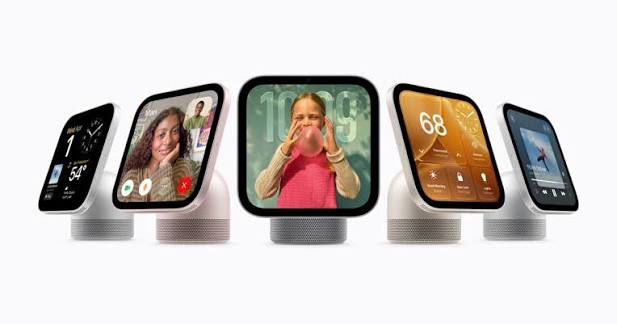
Moreover, users must rely on an iPhone or iPad for certain entertainment functions, raising questions about the device’s independence.
The restrictions could disappoint customers expecting a complete smart home entertainment experience.
Apple HomeView Lacks Several Native Apps
Apple promotes HomeView as a convenient device for music, podcasts, audiobooks, and television entertainment.
However, the smart display does not include native applications for Apple TV, Apple Books audiobooks, or Apple Music Classical.
Instead, users apparently need to stream these services from an iPhone through AirPlay.
Additionally, Apple News+ requires an iPhone, although its exact HomeView functionality remains unclear.
The device still includes several useful applications, such as Calendar, FaceTime, Messages, Music, Safari, and Reminders.
Nevertheless, the missing entertainment apps create significant limitations for users seeking a standalone device.
CarPlay Technology Shapes HomeView’s Experience
Apple has adopted CarPlay technology to support HomeView’s media streaming features.
Consequently, the device relies heavily on widgets and compatible media playback functions rather than traditional applications.
For example, an Apple Music widget can control playback without opening a separate application.
However, the Apple TV widget normally directs users toward the full application instead of playing videos independently.
Meanwhile, media services with compatible CarPlay functionality can work on HomeView.
This approach could allow additional entertainment services to support the device in the future.
A18 Processor Is Not the Main Limitation
HomeView includes Apple’s A18 processor, which previously powered the iPhone 16 series.
Although the chip predates the newer A19 processor, it already supports native video applications on iPhones.
Therefore, HomeView’s restrictions appear to stem from software design rather than processing limitations.
Furthermore, Apple has not explained why the device excludes native Apple TV playback.
The company also has not announced plans for a dedicated HomeView App Store.
Ultimately, HomeView offers useful smart home features, but its limited software support could reduce its appeal.
Broader application compatibility may become essential as Apple expands its connected home ecosystem.