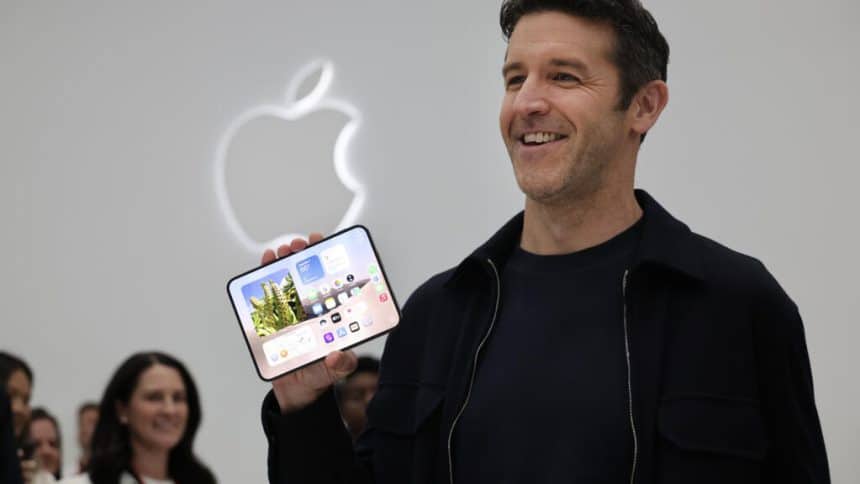
Apple CEO John Ternus has revealed that the company’s journey toward the iPhone Duo began nearly 15 years ago.
The foldable smartphone reflects Apple’s long-term approach to innovation, prioritizing product quality over rushing into competitive markets.
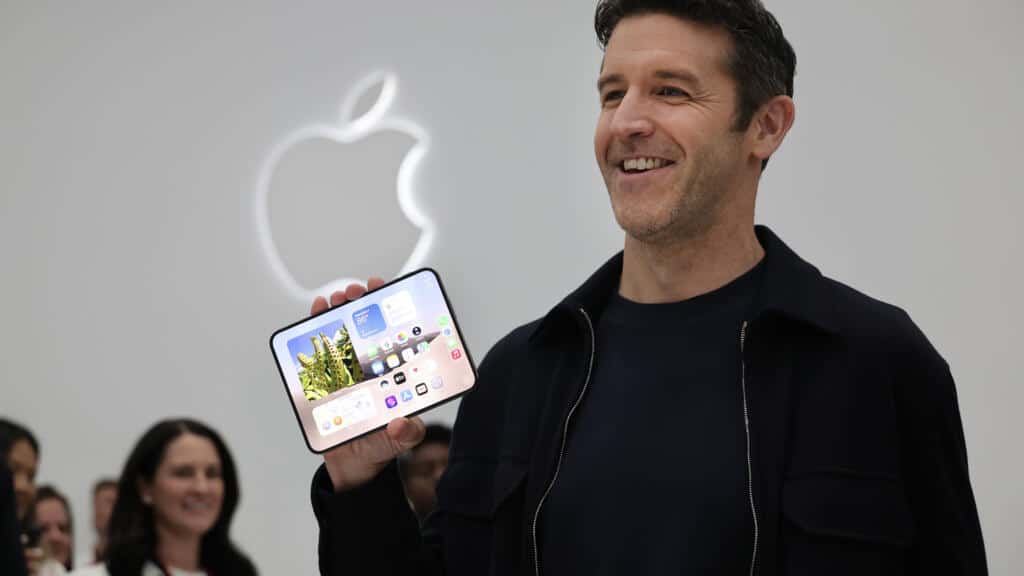
Ternus, who succeeded Tim Cook in April 2026, discussed the device’s development during a recent interview with Time magazine.
According to Ternus, Apple engineers began exploring foldable technology long before competitors introduced similar smartphones.
In 2011, he joined five colleagues in filing a patent involving foldable devices.
At the time, the team anticipated that flexible OLED displays would eventually make such products possible.
Apple Prioritized Quality Over Speed
Several smartphone manufacturers, including Samsung, introduced foldable devices years before Apple entered the market.
However, Ternus believed Apple should wait until its technology met higher design standards.
Richard Dinh, Apple’s vice president of product design, confirmed that the company could have launched a foldable smartphone earlier.
Nevertheless, early designs contained weaknesses that engineers wanted to address.
Consequently, Apple continued improving materials, manufacturing techniques, and display durability.
The development process eventually produced a specialized nanotexture surface, reflecting extensive collaboration with suppliers.
Ternus Highlights Apple’s AI Strategy
Beyond hardware innovation, Ternus discussed Apple’s growing focus on artificial intelligence and software integration.
He emphasized that Apple does not need to manufacture every component to create competitive products.
Instead, the company concentrates resources on technologies that offer meaningful advantages.
Furthermore, Ternus believes Apple’s privacy protections and connected ecosystem strengthen its position in AI.
He also expressed confidence that smartphones will remain important despite advances in AI-powered assistants.
New Leadership Faces Global Challenges
As Apple’s new CEO, Ternus must balance product innovation with supply chain pressures and political challenges.
He recently defended Apple’s consideration of Chinese suppliers amid growing concerns about processor and memory availability.
Meanwhile, former CEO Tim Cook remains involved as executive chairman, providing continuity during the leadership transition.
Ternus has also engaged with US government officials to address issues affecting Apple’s operations.
Ultimately, the iPhone Duo represents more than Apple’s entry into foldable smartphones.
Its lengthy development highlights a leadership philosophy built around patience, engineering improvements, and long-term product value.