Asahi Linux has expanded its reach across Apple Silicon by adding official support for Macs powered by M3-series chips. The update covers M3, M3 Pro and M3 Max processors, extending compatibility beyond the earlier M1 and M2 generations.
The development arrived sooner than expected. In late August, the project said M3 support would become available within weeks. However, the team announced compatibility on September 6, significantly shortening that timeline.
Most Core Features Already Work
Asahi Linux aims to run Linux natively on Apple’s ARM-based processors. With the latest release, developers say most features already supported on M1 and M2 machines now work on M3 hardware.
For example, users can access webcams, internal microphones, Wi-Fi and Bluetooth. USB connectivity also works at speeds up to the USB 3 limit of 10Gb/s. In addition, the release supports hardware-accelerated video decoding.
Therefore, M3 Mac owners now have a much more practical route to running Linux directly on their computers.
GPU and Display Support Still Need Work
Despite the progress, several important limitations remain. Full Display Coprocessor support and GPU functionality are among the major features still under development. The project expects updates in the coming months.
Sleep mode also remains unavailable because of limitations involving the firmware-provided framebuffer. However, developers expect full DCP support to address that issue.
Meanwhile, HDMI ports on equipped MacBook models remain disabled. DCP improvements should eventually enable that functionality as well.
M3 Ultra Must Wait
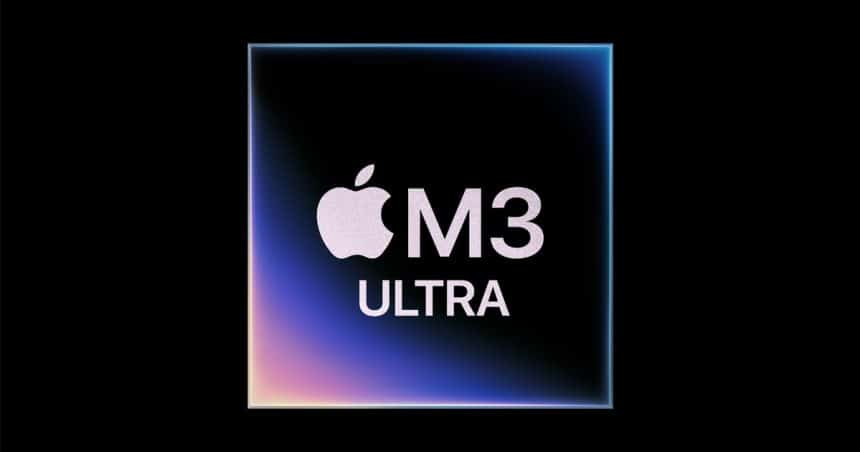
The expansion does not cover every M3 processor. Asahi Linux still lacks M3 Ultra support, which leaves some Mac Studio owners outside the latest compatibility update.
Still, the M3 rollout marks another significant step for the independent Linux project. Development is also continuing for newer M4 and M5 Apple Silicon chips.
Asahi Linux therefore continues to broaden the software choices available to Apple Silicon users, even as developers work through the technical challenges of supporting Apple’s newer hardware.